
By Rob Lamberti
The gap between the values of comic books sold in comic book specialty shops, known as direct editions, and those sold in retail stores, known as newsstand editions, is widening.
Comic dealers are working hard to price them differently, making it important for collectors to know how to differentiate the two types and to understand the reason why. The content — the story, art and advertising — is the same between the two versions, but what’s inside that UPC rectangle on the front cover, ah, there’s the difference.
Beginning in the mid-‘80s, print runs of newsstand editions became fewer than direct editions. They are also harder to find in higher grades as collectors take better care of their comics than the casual reader. So, higher-grade newsstand editions demand greater prices.
Census records of third-party graded comics show the number of high-grade newsstand editions is significantly smaller than the direct editions. That suggests direct editions bought at comic stores were protected by bag and board and then stored in protective boxes. Newsstand editions were most likely well-read and handled with less care.
It would be wonderful, however, if it were simple for the casual collector to determine if their comics are a direct or a newsstand edition. That UPC box with all the lines and numbers, usually on the bottom left of the front cover, looks similar on a direct edition as on a newsstand edition. It can be tricky to differentiate between a direct edition and its newsstand edition. Different eras had different rules; some were easy, others not so much.
Direct-sale comics are sold in comic book shops, and dealers cannot return unsold copies to the distributor for a refund. The store purchased the books at a discount, which usually varies depending on the number ordered.
Newsstand editions gave retailers, like corner variety stores, a refund for unsold issues. In the olden days, retailers would rip off the title on the cover to return it to the distributor for a refund and toss the book. That’s why it’s not unusual to find books from the pre-direct market days with the top half of the front cover torn off.
Comic book companies weren’t too keen on giving up sales earnings, and in the late 1970s, the shift from the store magazine rack to specialized comic book vendors began. By the mid-‘80s, it was a 50-50 split, and the numbers sold at newsstands continued to dwindle until the early 2010s when almost all comics were sold directly.
No one really noticed the shift until about 2013, shortly after Marvel ended newsstand sales. People began arguing about the scarcity of newsstand editions after the mid-‘80s, especially in higher grades. The market agreed and responded in kind for books after the 50-50 split era.
Many dealers’ websites, collectible value sites and auction houses are differentiating the two types of comics.
Some direct editions are simple to spot: the UPC has a diagonal line struck through it or would have the UPC lines and numbers and the words Direct Edition. Simple. Marvel and DC also used images of, for example, Spider-Man or Batman or advertising in the UPC box. Simple.
Comic companies also used UPCs that looked similar for both direct and newsstand, and that’s not as simple. The key to knowing which is which is the number sequence in the UPC box.
Both types have bar codes with 12 numbers on the left, but the numbers on the right separate the two editions.
Newsstand editions have two numbers on the right side in addition to the 12-number sequence, while direct editions have five numbers plus the 12-number sequence. Use the numbers to determine the type of book, as some direct editions with five numbers are labelled as a newsstand.
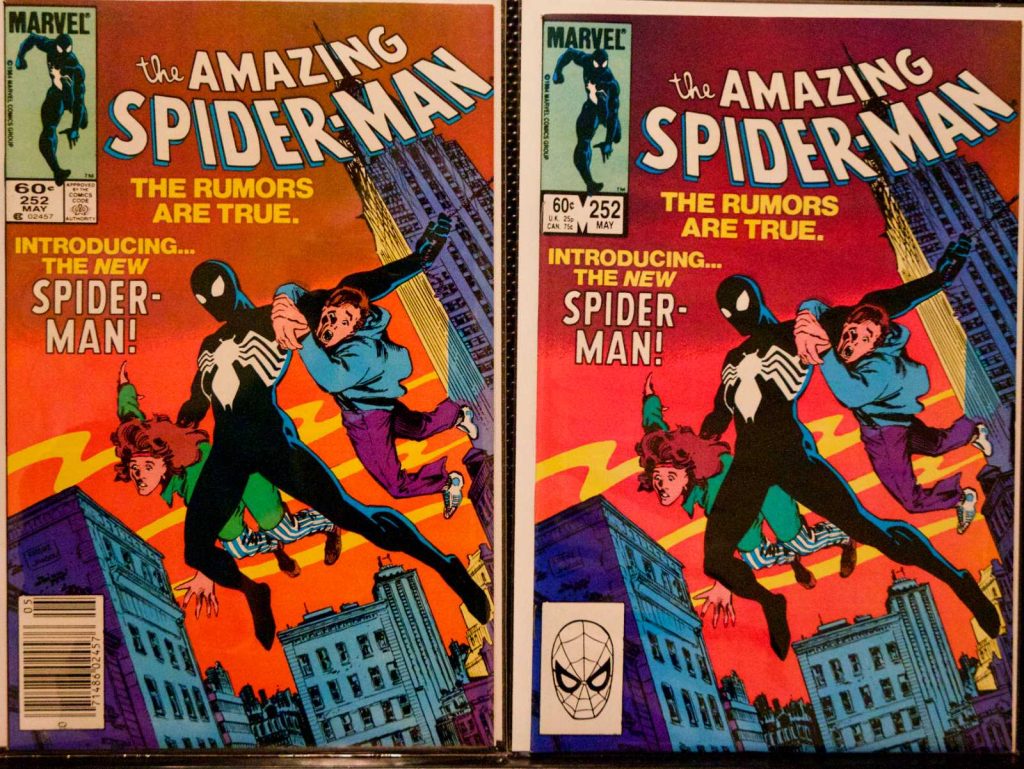
In the Amazing Spider-Man 252 photo, the issue on the right is a direct edition. In the UPC box on the issue on the left, note the two numbers 05. Those numbers signify that the edition is a newsstand copy.
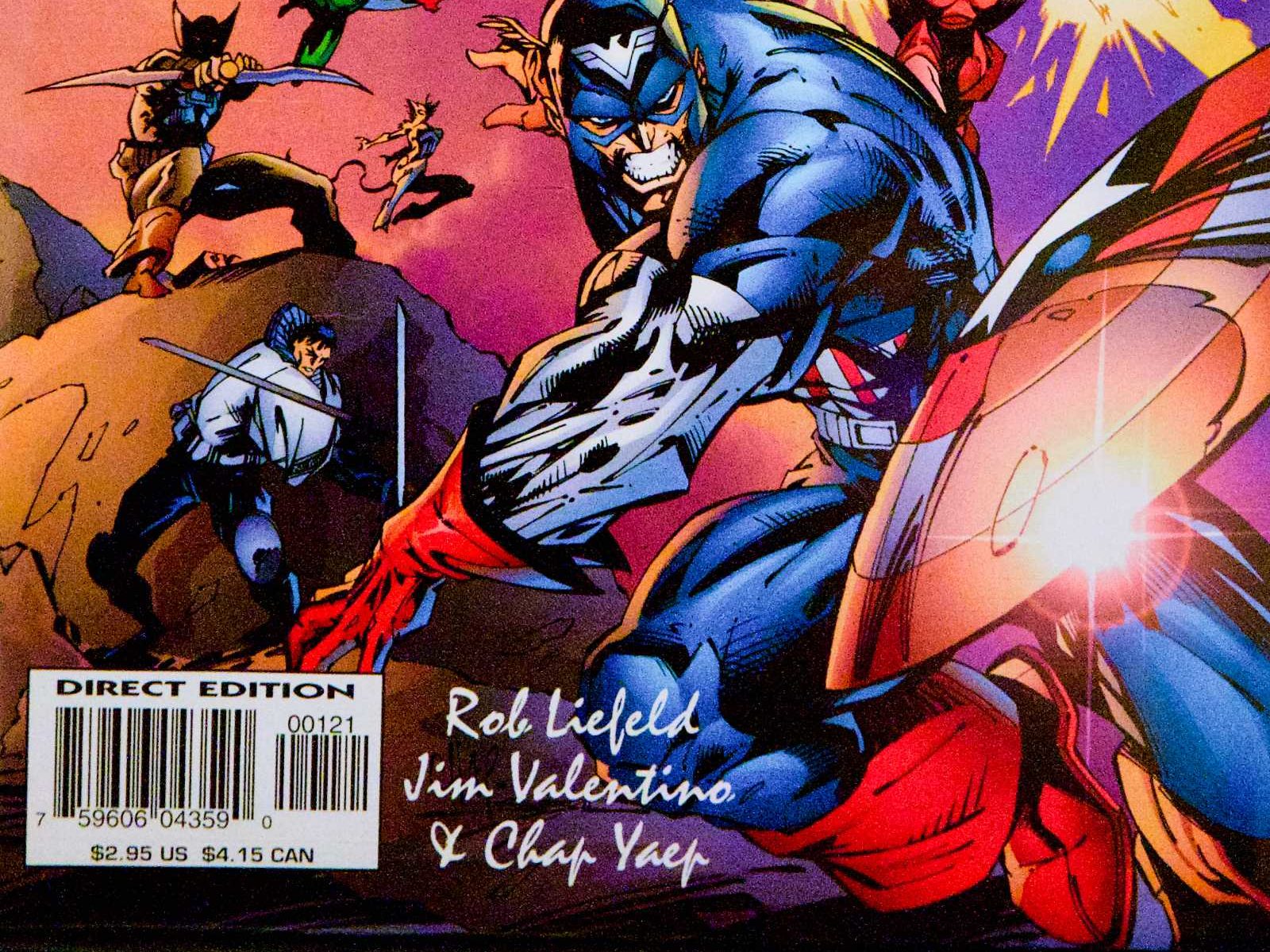
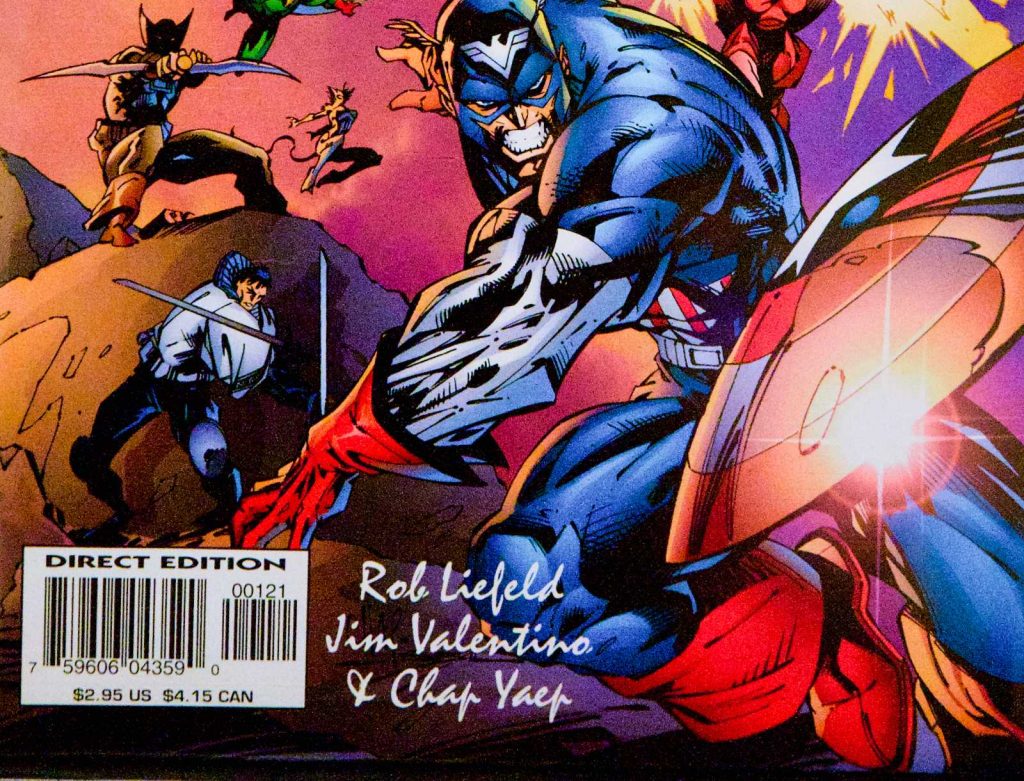
Again, for the two Uncanny X-Men 226, the UPC on the left marks that book as a direct edition, while the UPC on the right, with the number 02, signifies that it is a newsstand edition. The Avengers 1 UPC box has two giveaways, the five numbers 00121, and it says Direct Edition.
The cover of Soap Opera Romances 1 has a numbered UPC box with the number 07, indicating it is a newsstand edition.
The final example is the cover of Iron Man 129, where the diagonal line crosses the UPC lines and numbers, signifying it is a direct edition.
Third-party graders now acknowledge the difference between newsstands and direct editions because they are valued differently based on scarcity, especially in the higher grades.
There’s another variant that is getting a closer look from collectors.
Books printed with only the Canadian price are now described as a Canadian price variant or CPV. Although almost all comic books were primarily printed by Quebecor World in the ‘90s, only about seven per cent of print runs were bound for the Canadian market. Canadian variants are valued the same as the American edition, but once people realize the lower print runs for them, who knows what could happen to their values.