By Rob Lamberti
Journalism has always held an important role in comics since the early days of four-colour storytelling. Indeed, reporters and publishers held key positions in comic and pulp fiction, often depicted as crusading avengers.
Characters like Clark Kent, Jimmy Olsen, Lois Lane, Daily Bugle publisher J. Jonah Jameson, and Brett Reid, aka the Green Hornet and the publisher of the Daily Sentinel, bring news organizations into focus in comic stories. Often, when the law couldn’t or wouldn’t take on evil, the crusading reporter either became a masked vigilante or worked with them.
All of them are integral supporting characters in their respective comic series. Indeed, Jimmy Olsen and Lois Lane were spun off into separate series. Also, the Daily Bugle was the star of the six Marvel spin-offs, while the Daily Planet was the focus of three by DC.
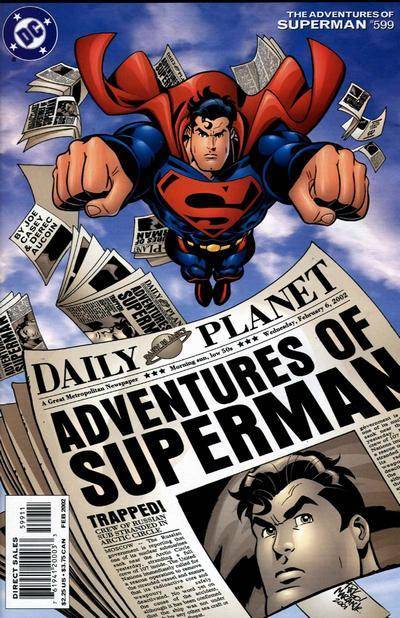
Superman’s Daily Planet was modelled after the then-named Toronto Daily Star. Co-creator Joe Shuster was a newspaper carrier for the Star and used the name for the early Action editions. The name changed to Daily Planet in 1940, first on the radio show and then in Action Comics.
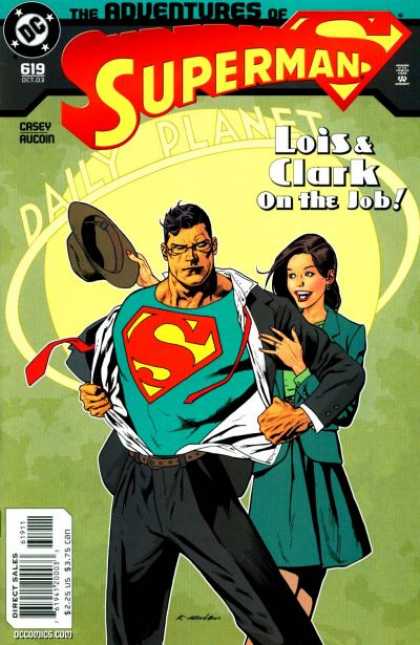
EC Comics published Extra!, a five-issue series in 1955, the third title in its New Direction line.
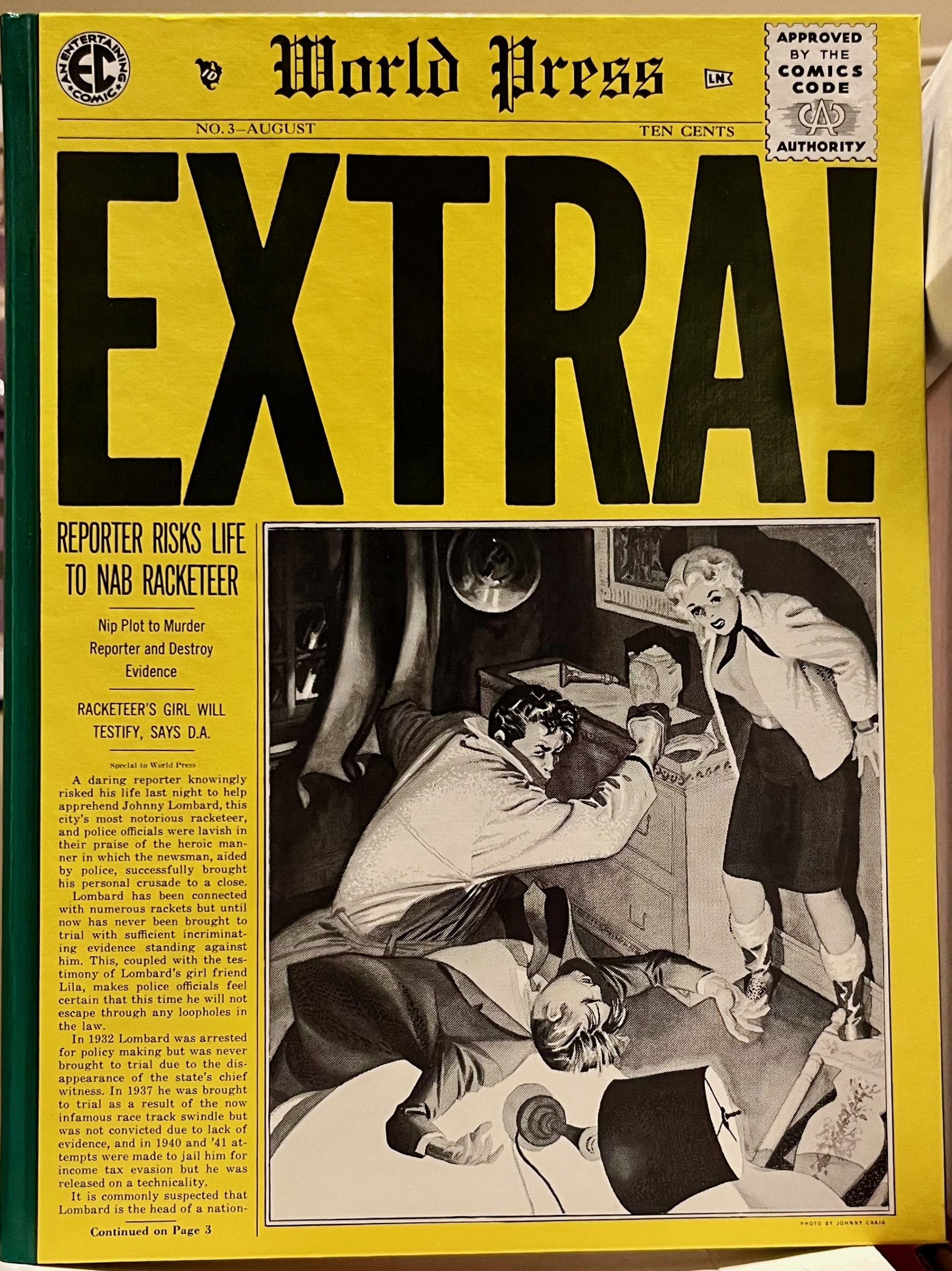
The book, edited by Johnny Craig, followed the exploits of three reporters for the World Press.
The covers of the five issues were designed as tabloid front pages, with the first three issues using black-and-white art for the photos, just like the papers of the era.
Craig was the artist for the stories involving reporter Keith Michaels, while artist John Severin drew the art for the stories of reporter Steve Rampart. Artist Reed Crandall drew the stories depicting Geri Hamilton.
Craig also drew the five covers.
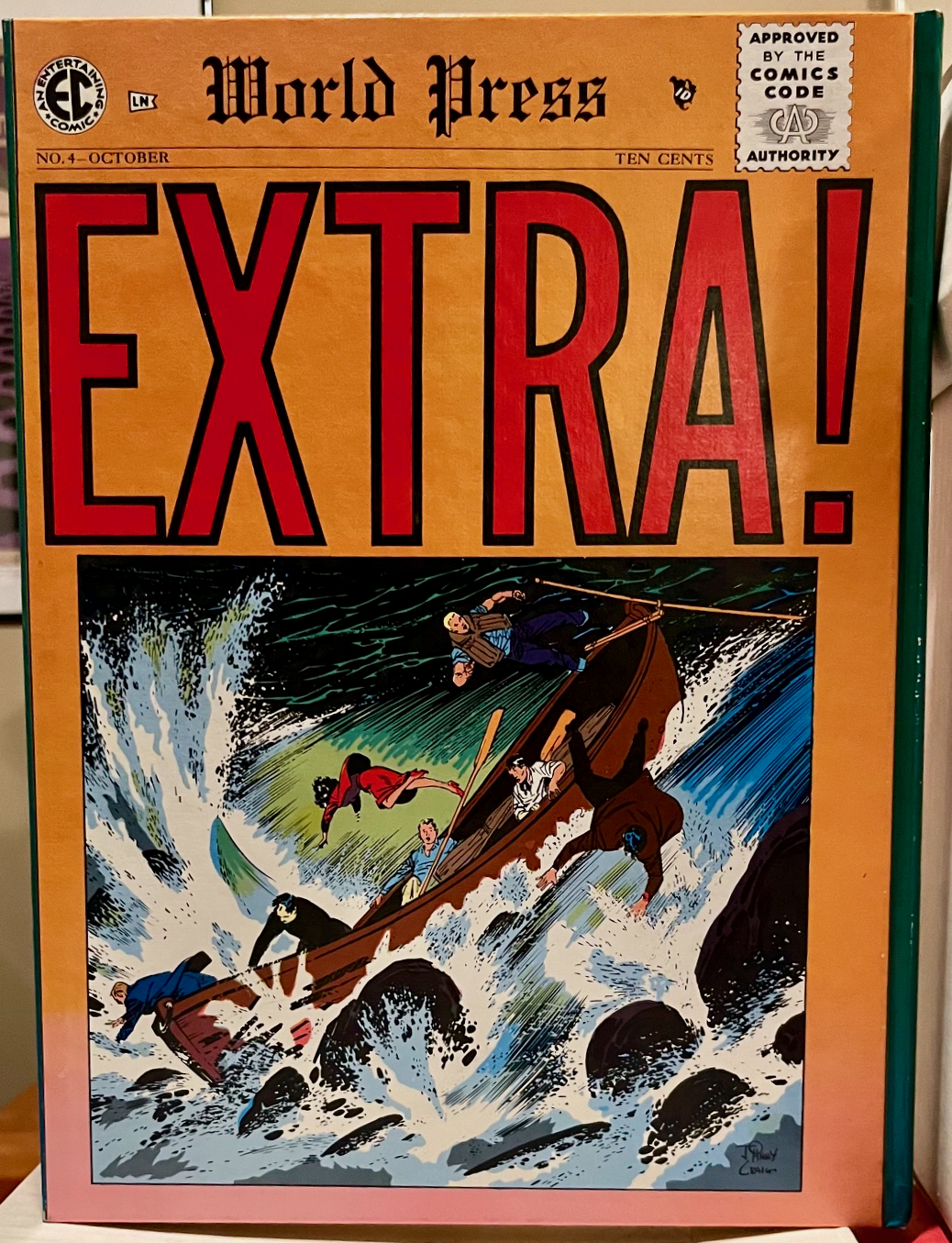
The New Direction comic titles, including Extra!, carried the Comics Code Authority seal of approval, much to the chagrin of publisher Bill Gaines.
The code was established in 1954 in an attempt by comic publishers to self-regulate, or censor, to prevent the government from coming after them. The attack on comics was spearheaded by the moral panic created by politicians, journalists and unscrupulous psychiatrists about juvenile delinquency.
The New Direction line lasted about a year. Few distributors wanted to handle EC titles after the U.S. Senate hearings on comic books prior to the implementation of the code. Pushed to the brink of closure, Gaines dropped the comics line to focus on Mad, which was magazine-size and not governed by the code.
The media, especially newspapers, were often used as a dramatic tool to tell the story. For example, The Watchmen used New Frontiersman as the far-right paper, while Nova Express was the woke weekly magazine. The New Frontiersman was the vehicle that supported masked vigilantes, while Nova Express questioned and challenged their role in society, creating the conflict central to the story of who watches the Watchmen?
The Gotham Gazette’s reporter Vicki Vale debuted in Batman 49, with a cover date of October 1948. She was also Bruce Wayne’s on-again, off-again love interest. The character mimicked Lois Lane, spending much of her time trying to determine if Bruce Wayne and Batman were the same person.
Brenda Starr Reporter, who looks suspiciously like Rita Hayworth, worked for the Chicago newspaper The Flash in the comic strip.
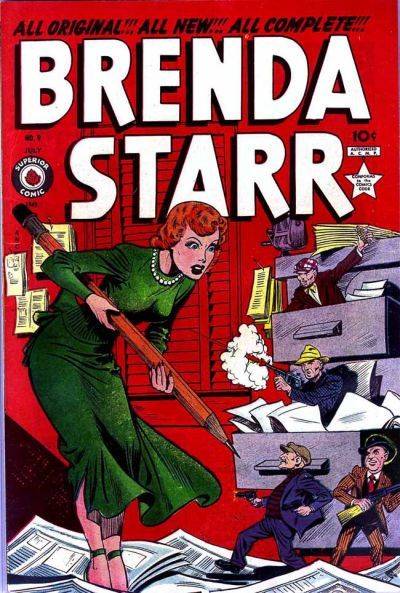
The character was created by Dale Messick for the Chicago Tribune Syndicate in 1940. Her popularity peaked in the 1950s when the strip appeared in 250 newspapers. The strip lived on until 2011.
The character was published in comic book format in 1947 by Four Star Publications. Canada’s Superior Publishing printed 10 issues when it carried the title in 1948 and ’49. Charlton Comics then took the title on in 1955 for three issues, and Dell printed a single issue in 1963.
Lucas “Snapper” Carr appears as a television reporter in various DC comic books. The character, created by Gardner Fox and Mike Sekowsky in 1960, first appeared in The Brave and The Bold 28.
In the series Invasion!, Carr even gained superpowers.
Girl reporter Becky Burdock appears in the British comic Jack Staff by Dancing Elephant Press and, most recently, by Image Comics. She was also a vampire and a vampire hunter.
Spider Jerusalem was cast as a gonzo journalist in the comic book Transmetropolitan by DC imprints Helix and Vertigo. Spider is a journalist who takes on two corrupt and power-abusing U.S. presidents. The series ran for 60 issues between 1997 and 2002.
But not all journalists in comics were the good guys or gals. Ned Leeds was a Bugle reporter who first appeared in Amazing Spider-Man 18 and eventually married JJJ’s secretary, Betty Brant. He was revealed to be the Hobgoblin in Amazing Spider-Man 289.
Other characters that dabbled in media include: Billy Batson in Captain Marvel, Jack Ryder, associated with WHAM News, as the Creeper, Vernon Fenwick, who was with Channel 6 News in Teenage Mutant Ninja Turtles, Vic Sage in The Question, and, of course, the globe-trotting investigative reporter Tintin, who first appeared in 1929.