
By Rob Lamberti
This is a column about maybes based on tariffs becoming an unfortunate fact of business life, adding unnecessary costs to goods and services. It’s also threatening to add to collectibles. As of early May, books are not hit with tariffs when crossing the border.
President Donald J. Trump introduced tariffs on Canadian goods and services earlier this year, then rescinded them, reinstated them, only to pause them again, and then activated them. It’s hard to keep up with what he’s doing, but Canada has promised a 25 per cent surcharge on U.S.-originating items. The process fundamentally is, the Americans add a tariff on our cars, and then we tariff theirs.
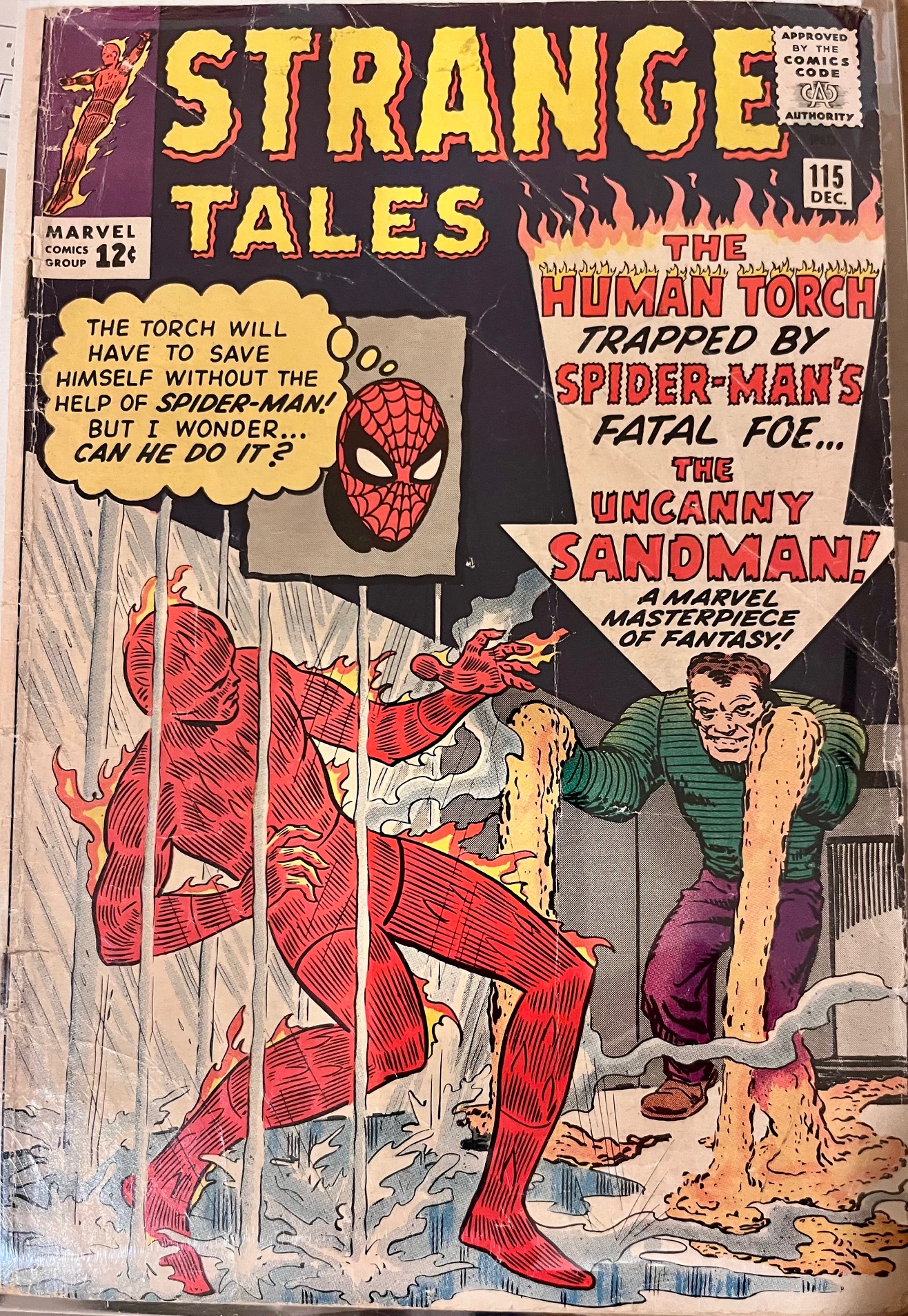
Although books are on the list, it hasn’t come to pass. Hopefully it won’t, but if it does, a 25 per cent tally will apply. That’s a tremendous amount for bookstores.
Prime Minister Mark Carney met with Trump in early May in what appears to have been the opening discussions of a possible rewrite of the existing North American free trade treaty. Carney clearly stated that tariffs are unacceptable and will be met with countering tariffs.
There are many uncertainties, but this could affect the value of collectibles in the long run.
People paying more for essentials will have less money to play, coupled with collectors who may take a break from cross-border shopping because of the uncertainty, which could add to the softening comic market values that have already been easing in the past year or so following the COVID boom.
Many factors massage the price of a collectible like comics, including demand, supply, fads, the destructive forces of nature such as floods and fires, economics, shipping costs and sales taxes. Add tariffs in a supposed era of free trade, and exacerbated by the on-again, off-again tantrums, items will cost more for no good reason, and the market may get soft. Further, it would be unlikely that any added costs would be recovered in the short term.
The rules of tariffs as they apply to goods entering Canada seem more complicated than the Major League Baseball rule book or an auto owner’s manual. Suffice it to say, books and paper products are on the Canadian list of items to be tariffed if the Americans act.
Canada Customs suggested reviewing Customs Notice 25-10: United States Surtax Order (2025-1) to get an idea of what’s on the target list, but it seems silent on the terms collectibles and antiques. That’s because Canada Customs isn’t looking at the collectability of an item, but the item itself.
A sidenote is that Canada has always collected GST/HST taxes, depending on the province, the item, and the value.
Website auctions now warn that fees, or duties, as eBay calls them, will be calculated if a shipment is expected to cross the American border after the bidding ends.
However, in an email to its clients from Heritage Auctions, one of the largest auction houses in the U.S., comics are unaffected by the American tariffs.
“After close consultation with our legal counsel and customs brokers, and thorough review of the Executive Order and all related documents published by U.S. Customs and Border Patrol, we have concluded that the vast majority of the items we handle, including all of numismatics, comics, sports, fine art, and entertainment, are unaffected by these tariffs, either by way of originally being made in the United States, or falling under one of several exemptions written into the Executive Order,” Heritage wrote in an April email to its clients.
Canada Border Services Agency spokesperson Luke Reimer said in an email response to questions from Wayback Times that collectibles and antiques from the U.S. would be, in general, tariffed at 25 per cent if implemented. Exceptions exist, such as paying tariffs on those goods exceeding the personal exemption limits of Canadian residents.
A CBSA statement clarifies that duties, taxes and applicable tariffs apply to all goods, including groceries, that exceed the personal exemption limit.
“A 25 per cent surtax applies on goods classified under specific tariff items and not on a category of goods (such as collectibles),” Reimer said. “This means that goods which may appear to be similar may or may not be subject to the surtax.
“Upon arrival at the port of entry, the border services officer will make a determination on any amounts owing,” Reimer said. He said the government is also working with the Universal Postal Union, among others, to streamline the implementation of the surtax.
The potential tax also applies to artwork. Tariff Item 9701.91.10, described as “Paintings, drawings and pastels — original by artists,” has a 25 per cent surtax. Toys and models from the U.S. are also tagged with a 25 per cent tariff under 9503.00.10 and 9503.00.90. American cardboard boxes and plastic bags used to store comic books are also targets. Video games and trading cards are also on the list that could be taxed.
Search “complete list of U.S. products subject to counter tariffs” on the internet to reach the Finance Canada’s website for other items.
But let’s add another tantrum. Trump recently announced 100 per cent tariffs on films not made in the U.S., and of course, comic-based films, including anime feature films, make a sizeable chunk of the industry. What that means and how it translates to the real world remains to be evaluated, but it will most likely include higher licensing fees, leading to higher admission and snack prices.
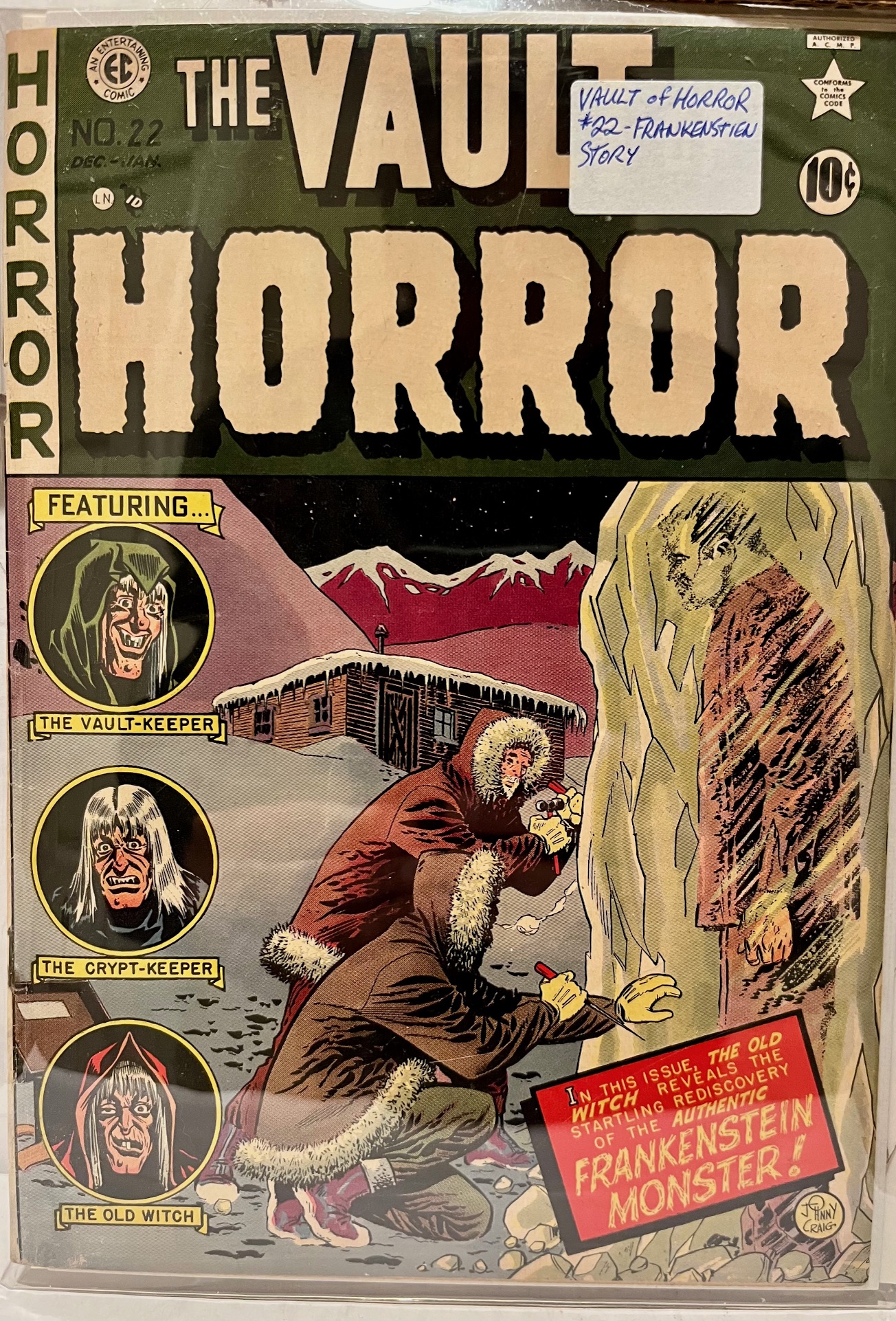
I posed the tariff question on a Facebook comic book collecting page, and the response from Canadian and American collectors was — simply — to avoid the border. Buy from a Canadian dealer or a non-American auction site until these tariff spats end. Shipping costs, however, could be astronomical if an item is sent from somewhere off the continent.
Meanwhile, American comic collectors of current books fear that new books will be more expensive, as most comics are printed in Canada.
It’s a mess, to say the least.
And unnecessary.
It’s fair to say, however, that the tariff situation may change overnight because, as everyone knows, tantrums are difficult to predict. For more information, read this story online for this link, which provides the list of items being tariffed and are subject to counter tariffs by Canada, and this link about Canada’s position on tariffs in general.