
By Ian Brimble
Coin and banknote collecting is one of those hobbies that can generate return on your investment over the long term. Unlike some hobbies, collecting and accumulating an asset can often result in long term growth and great enjoyment along the way. Over the years I have had the pleasure of meeting all types of collectors from children and those getting started with their collection to the most advanced collector who only collects museum quality items. One thing that all collectors have in common is a genuine interest in and appreciation for collecting elements of Canadian history.
At various coin shows I am often asked my opinion about what collectors should ideally invest in. There are of course many schools of thought on this particular subject but there tends to be several different types of collectors from what I have observed. Continue reading below to determine which type of collector you are!
Entry Level Collectors
These are individuals who are starting a new collection or may be continuing one they have inherited from a loved one. This type of collector typically is new to coin collecting and is looking to build upon or expand upon their collection. Most often, these collectors are still in the information gathering phase and are learning about what they should be seeking.
My advice to entry level collectors is not to buy a great deal until you have had an opportunity to learn more about the market and currency collecting in general. A common mistake amongst novice collectors is to only consider what is of interest to them rather than examining some long-term patterns of the industry. Adding something to your collection now that will be difficult to sell later is not ideal. I have seen many collectors purchase items that may be flawed or in some way undesirable to a more advanced collector and as a result they are unlikely to see return on their investment.
One such example is buying coins or banknotes that have been cleaned. Cleaning your old coins or banknotes is never a good idea and usually results in the item being only worth a fraction of what it might have been worth, had it been left in its original condition. Over the years I have seen items devalued from 25 – 75% due to the fact that they were cleaned. A cleaned item often is the result of a well-meaning individual physically rubbing or polishing the surface of a coin with an abrasive material like a cloth.
 |
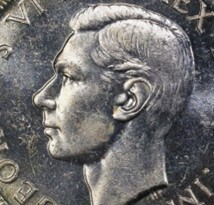 |
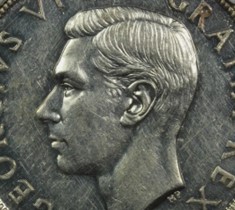
| Figure A (cleaned coin) | Figure B (uncleaned coin) |
Cleaned coins like the one illustrated in Figure A are obvious to most advanced collectors and will show surface hairlines (typically in one direction) on many of the fields (flat surfaces) of the coin. Figure B is a coin with some wear and scratches from circulation but it has not been artificially cleaned as evidenced by the fields being relatively scratch free. Buying a cleaned coin comes with some risk and it is likely that the sale of this item may pose challenges in the future. My advice to novice collectors is to avoid these types of coins by purchasing certified examples, since third party graders always note when cleaning is suspected.
One of Everything Collector
The One of Everything collector is the most common collector in the market, in my humble opinion. These are long term collectors that over many years or decades have sought to accumulate a collection of currency that contains at least one of every year and / or denomination. These collectors often start with common dates and things that are readily available. As a rule of thumb, they often upgrade their coins for nicer examples as time goes on. Generally, this type of collector builds an appealing collection over a great many years and it is a true labour of love.
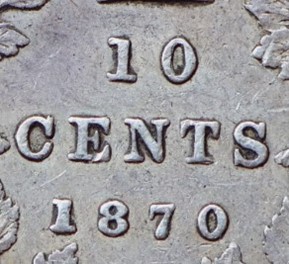
Many of these collectors have impressive collections with great depth and they often go on to collect varieties too; those being examples of the same year that have some differences due to different dies being used. An example of such a variety is the 1870 10 cent coin with different 0 at the end of 1870.
 |
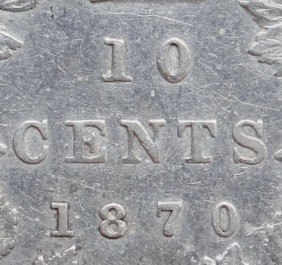 |
| 1870 wide 0 | 1870 narrow 0 |
Advanced One of Everything collectors would seek both of these varieties for their collection, and there is no shortage of varieties to be acquired. In fact, most years of early Canadian currency have between 2 and 5 known varieties.
Key Date Collector
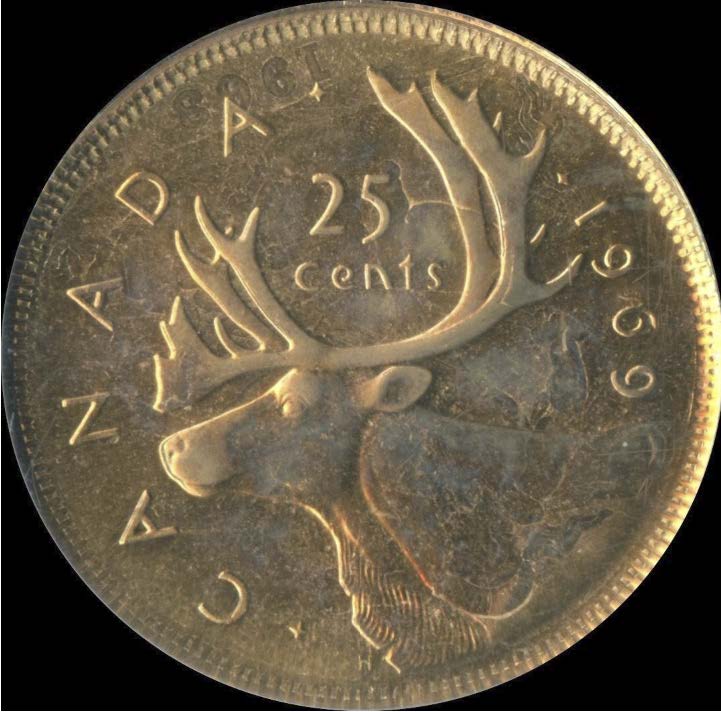
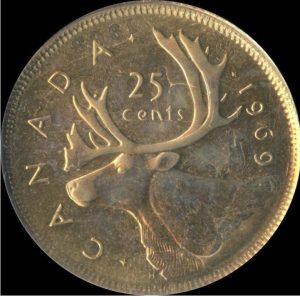
This is an advanced investment collector who typically purchases items that are somewhat rare and highly sought after. They are generally not interested in having one example of all denominations or years as many years are easily acquired and don’t pose too much of a challenge. This type of collector generally has a very specific “want list” and will attend many shows, auctions and sales on the hunt for the perfect item for their collection. Most collectors of this type enjoy the social element of coin collecting just as much as the coins themselves. A recent Geoffrey Bell Auction held in Toronto in early May allowed for many of these collectors to come together as there were items for sale that are seldom available. Items like Figure C; a 1969 25 cent coin struck over a gold sovereign from 1963.
 |
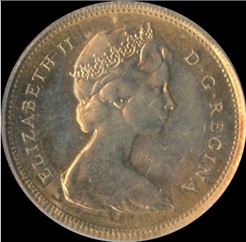 |
| Figure C – 1969 Canadian 25 cent struck on a 1963 Gold Sovereign | |
Regardless of your status as a collector, my advice is that you do your research before beginning to acquire items. Learning about the market, what items tend to appreciate faster than others, the return you can expect over time and what is desirable is an essential part of a successful collection. Should you have any questions about your specific collection, please reach out, we are always happy to help. Happy collecting!