
By Janine Canillas
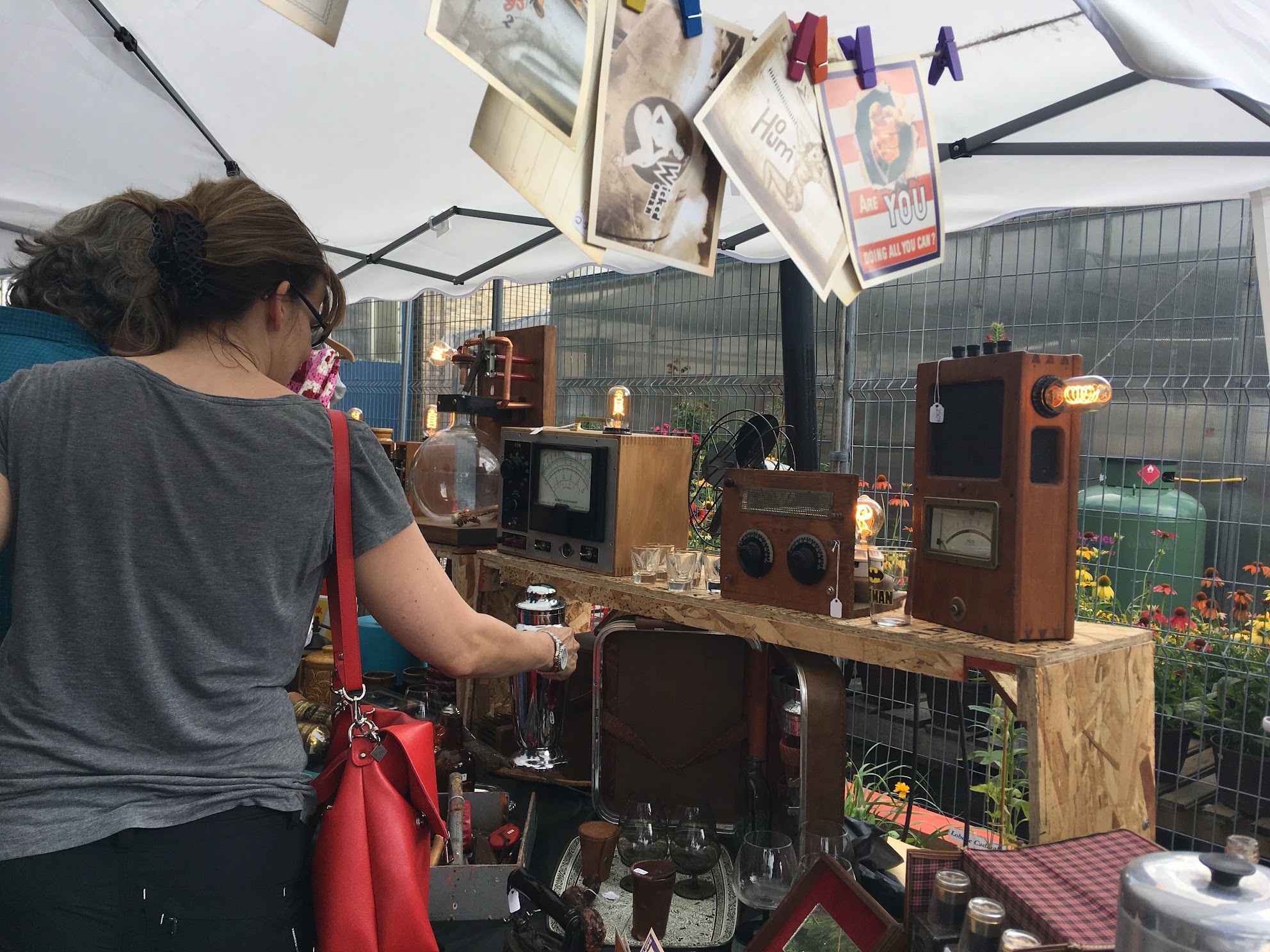
Summer is the best season for antique hunting, with garage sales, flea markets, and estate sales in full swing. You never know what you’ll find—maybe a hidden gem or even something unexpectedly valuable. Antique collecting is a passion I’ve found deeply fulfilling and surprisingly addictive. The thrill of discovering a forgotten treasure never gets old. Why not make this the season you start or grow your collection?
While some people may focus on acquiring items that are likely to increase in value, my path has often been guided by passion rather than profit. I’ve picked up vintage scarves, old cameras, and even antique clocks—items that spoke to me for reasons beyond their monetary worth. And while I may have lucked out with a few valuable finds along the way, it’s the joy of the hunt and the stories behind these objects that truly keep me going. That, and finding some undeveloped film in my Super 8 camera.
6 steps to build a curated collection
If you’re thinking about starting your own antique collection, the first step is deciding what you want to collect. For beginners, I always recommend starting with something that speaks to you personally rather than focusing on potential financial gain. Whether it’s vintage furniture, old books, jewelry, or something entirely different, the key is choosing items you’ll enjoy living with. After all, these pieces will become part of your daily life.
Here are a few tips for beginners and seasoned collectors alike:
1. Start small
You don’t need to spend a lot on your first piece. Flea markets, thrift stores, and estate sales are great places to find affordable antiques. You can also browse online marketplaces like Etsy and eBay for deals.
2. Research
Learn about the items you’re interested in. Understanding your collection’s history and typical value will help you spot a good find. Check out online forums or local collectors’ groups to deepen your knowledge. For example, Discogs.com is great for vinyl collectors and this magazine, The Way Back Times, offers valuable resources and articles.
3. Consider market trends
Keep up with current trends in the antique market to make informed choices. For example, mid-century modern items, as well as Art Deco pieces and vintage toys from the 1980s, have surged in popularity. By understanding what’s in demand, you can focus your efforts on acquiring items that not only resonate with you but may also hold their value over time.
4. Condition matters
Some wear and tear is to be expected, but be mindful of damage that could significantly reduce the value or usability of your pieces. For instance, vintage comic books should have minimal creasing, no tears, and an intact spine to maintain their value. Likewise, if you’re collecting plastic toys, make sure they have all their parts and are free of discoloration or significant scratches. This is especially true for delicate items like vintage textiles or paper goods, which can deteriorate over time if not properly cared for.
Here are some things to remember:
- Store textiles carefully: Keep vintage scarves, clothing, or linens in a cool, dry place and avoid folding them to prevent creases.
- Clean with care: Use gentle, non-abrasive methods to clean antiques, especially if they’re fragile. When in doubt, consult a professional.
- Display mindfully: Keep your collection away from direct sunlight or extreme temperatures, which can cause damage over time. You can consider investing in display cases to showcase your items while keeping them safe.
5. Pick items that bring joy
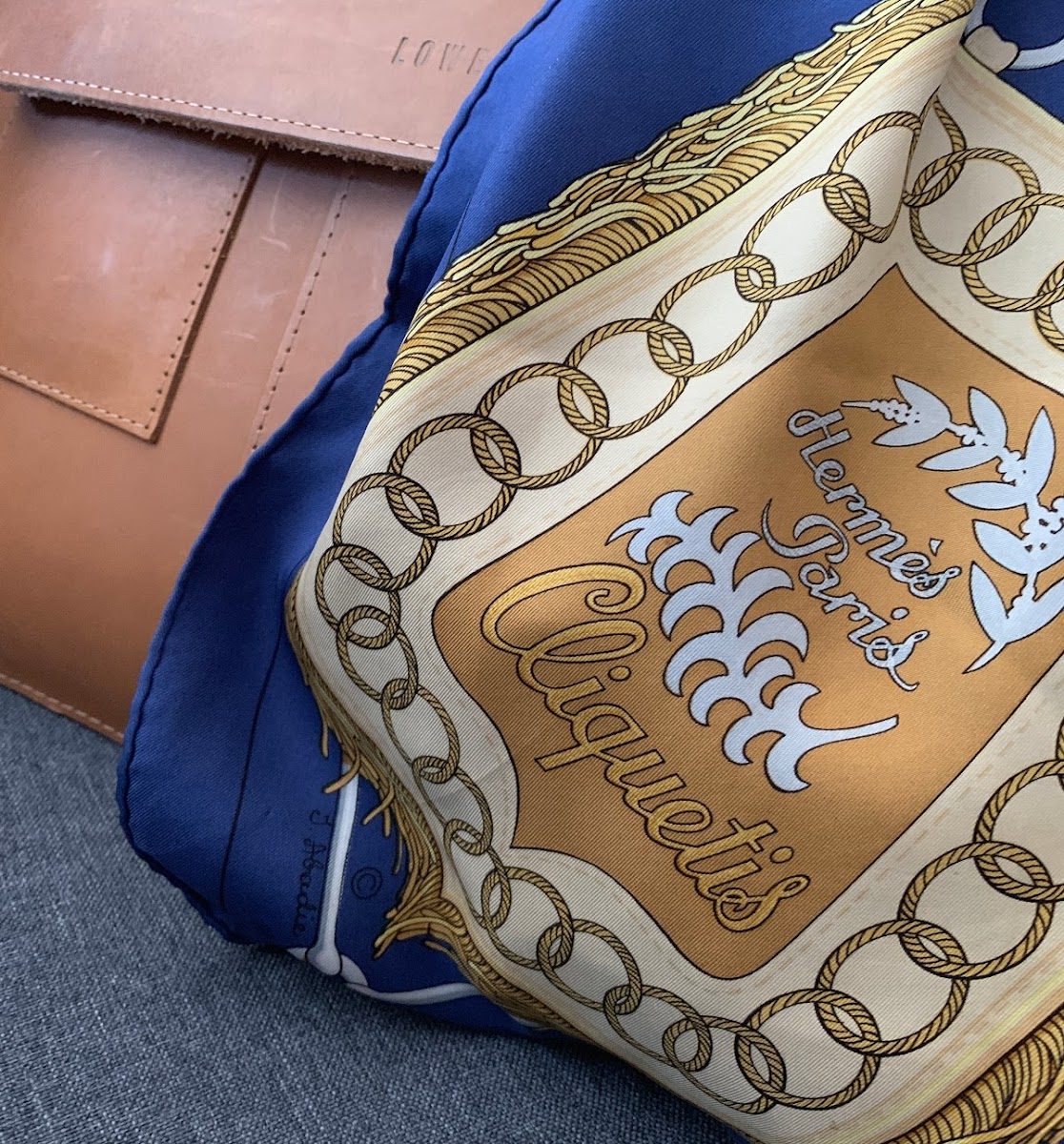
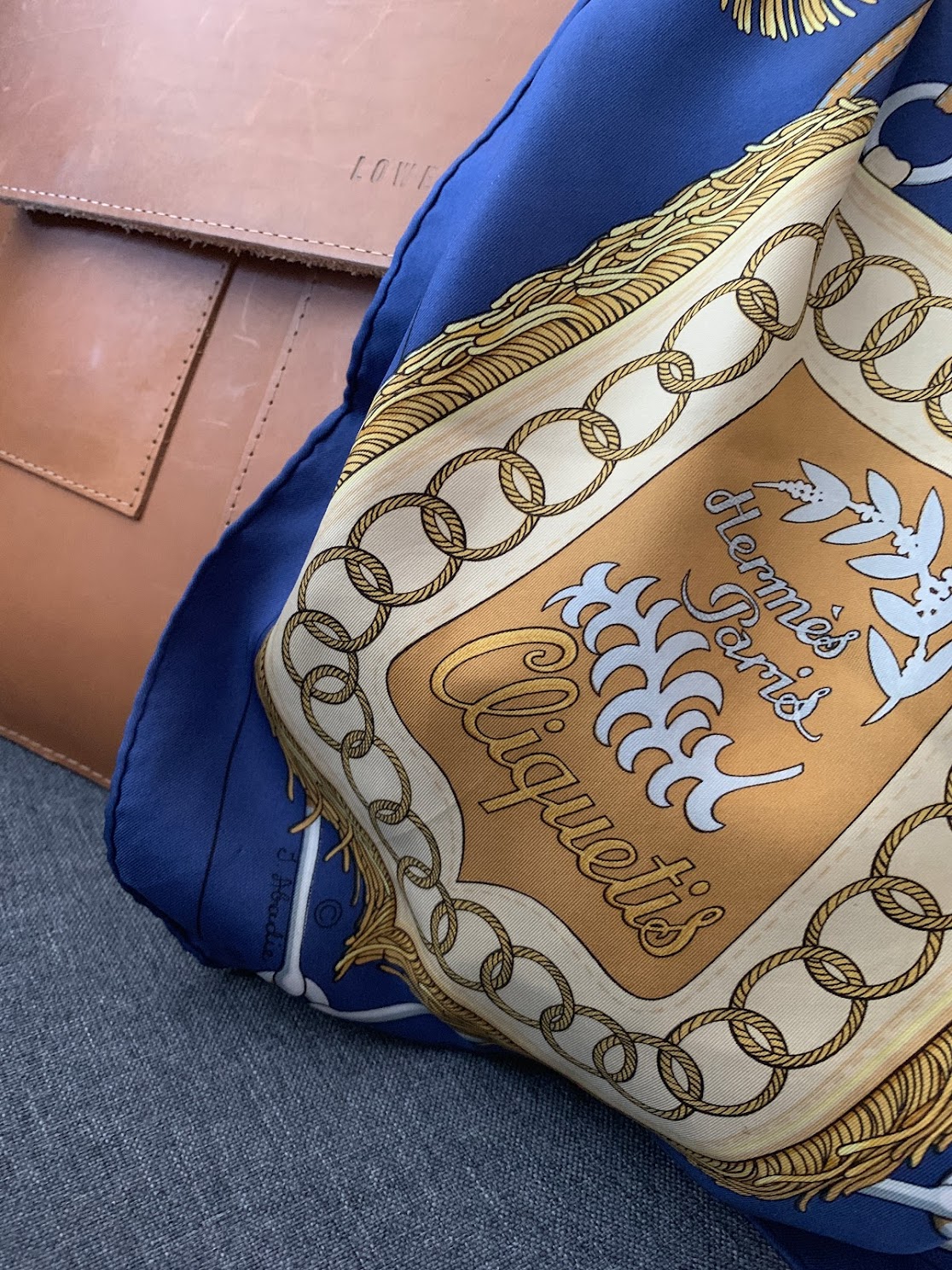
If something catches your eye and you can’t stop thinking about it, go for it. Sometimes, the best finds are the ones that speak to your heart, not your wallet. I remember stumbling upon a box of vintage scarves at a local flea market. The vibrant colours and intricate designs instantly caught my eye, and I knew I had to have them—not because I thought they would make me money, but because I could already picture them adding flair to my wardrobe and décor. Over time, as my collection grew, I was gifted an actual vintage Hermès scarf by a friend who saw how genuine my passion for collecting had become.
6. Review your collection
One of my longest-standing collections—and perhaps my most frustrating—has been clocks. I’ve always been drawn to their design and function. I’ve acquired a small but magnificent collection from grandfather clocks to mantelpieces. However, one small issue became apparent: space. Clocks are not the most compact items, and you can quickly run out of space. The constant need to wind and adjust them has also become a source of stress. As much as I loved my collection, I eventually switched, focusing mainly on old cameras and vintage scarves, which are mostly compact and easy to store.
Whether you’re drawn to antiques for their history, beauty, or the simple thrill of the hunt, collecting is ultimately a personal journey. It doesn’t have to be perfect or profitable, just meaningful to you. Start small, stay curious, and enjoy the adventure. Who knows? That dusty flea market find might not just brighten your shelf, but spark a lifelong passion.